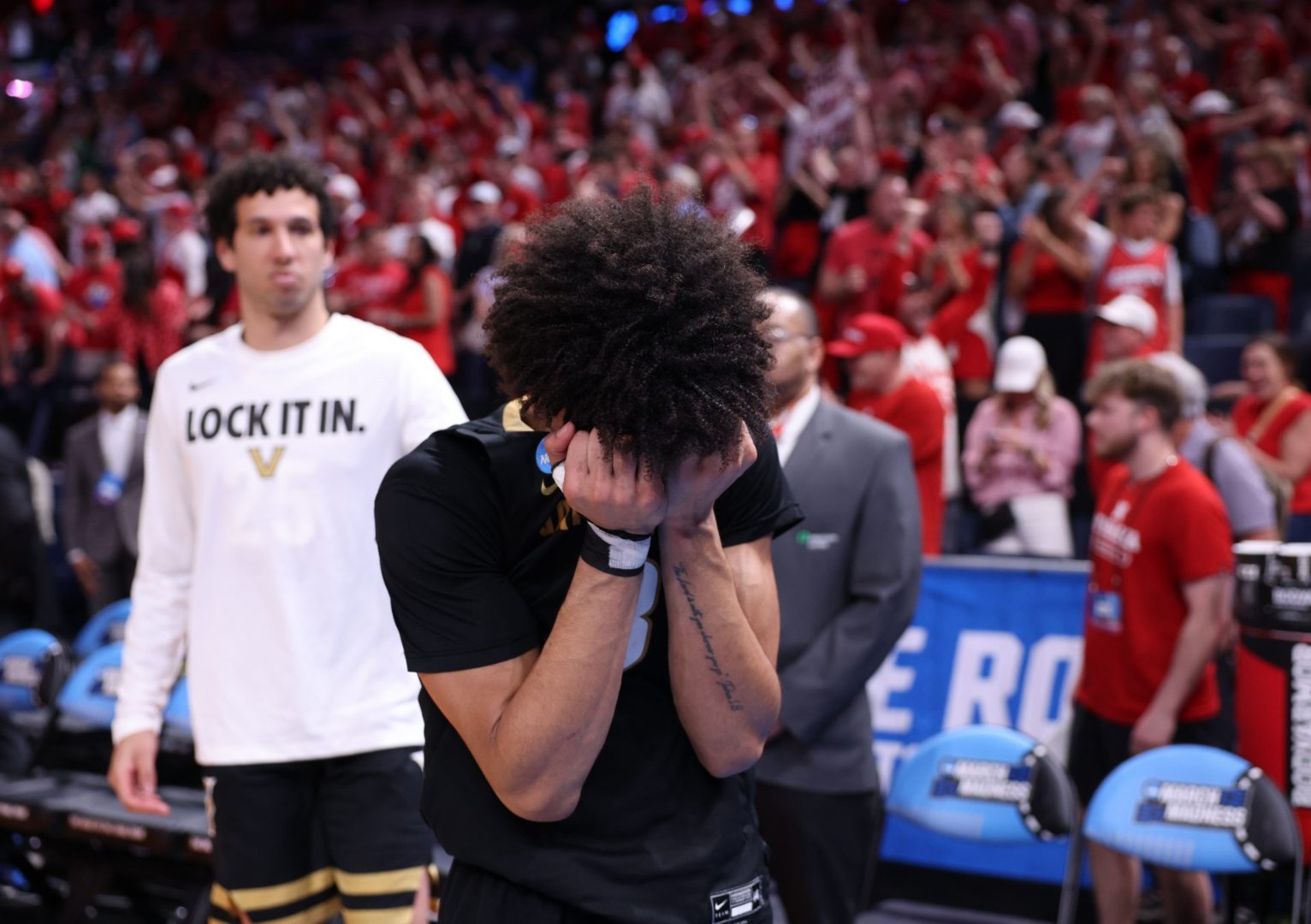
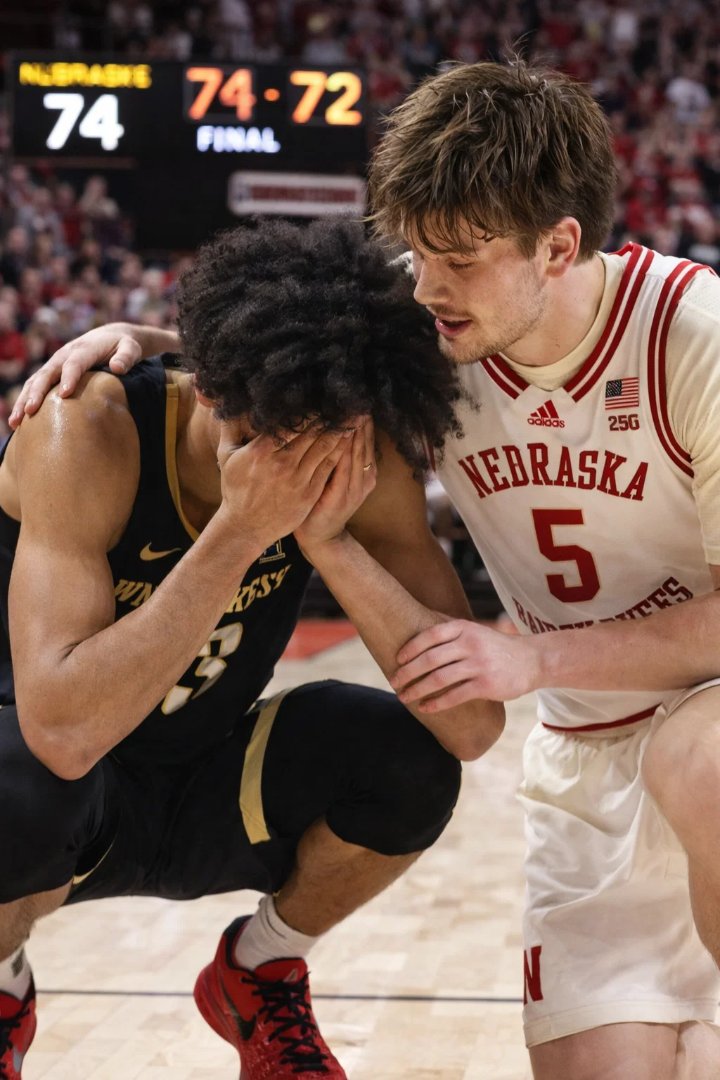
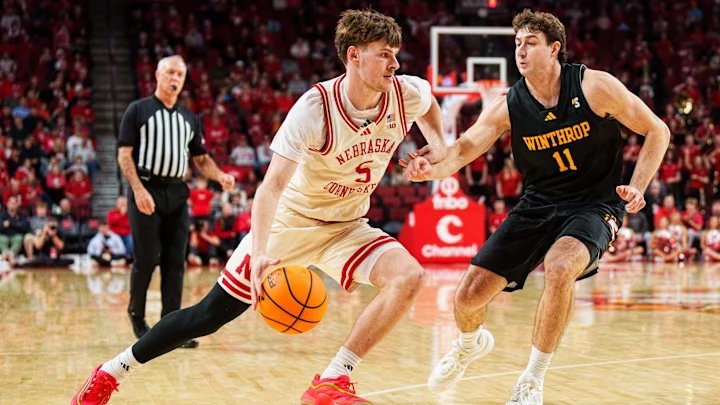
HomepageSport NewsBEYOND THE BOX SCORE: The 0.0 Moment That Defined March Madness Sport News BEYOND THE BOX SCORE: The 0.0 Moment That Defined March Madness Posted on March 22, 2026 Please enable JavaScript to view protected content. Please enable JavaScript to view protected content. Please enable JavaScript to view protected content. Please enable JavaScript to view protected content. Please enable JavaScript to view protected content. The Heartbreak: 0.0 on the Clock Please enable JavaScript to view protected content. Please enable JavaScript to view protected content. Please enable JavaScript to view protected content. Please enable JavaScript to view protected content. Please enable JavaScript to view protected content. Please enable JavaScript to view protected content. Please enable JavaScript to view protected content. Please enable JavaScript to view protected content. Please enable JavaScript to view protected content. The Hero’s Detour Please enable JavaScript to view protected content. Please enable JavaScript to view protected content. Please enable JavaScript to view protected content. Please enable JavaScript to view protected content. Please enable JavaScript to view protected content. Please enable JavaScript to view protected content. Please enable JavaScript to view protected content. Please enable JavaScript to view protected content. The Brotherhood in the Trenches Please enable JavaScript to view protected content. Please enable JavaScript to view protected content. Please enable JavaScript to view protected content. Please enable JavaScript to view protected content. Please enable JavaScript to view protected content. Please enable JavaScript to view protected content. Please enable JavaScript to view protected content. Please enable JavaScript to view protected content. Please enable JavaScript to view protected content. Please enable JavaScript to view protected content. A Lesson for the Modern Era Please enable JavaScript to view protected content. Please enable JavaScript to view protected content. Please enable JavaScript to view protected content. Please enable JavaScript to view protected content. Please enable JavaScript to view protected content. Please enable JavaScript to view protected content. The Aftermath: The “Frager Effect” Please enable JavaScript to view protected content. Please enable JavaScript to view protected content. Please enable JavaScript to view protected content. Please enable JavaScript to view protected content. Please enable JavaScript to view protected content. Please enable JavaScript to view protected content. Conclusion: The Mark of a Champion Please enable JavaScript to view protected content. Please enable JavaScript to view protected content. Please enable JavaScript to view protected content. Please enable JavaScript to view protected content. Please enable JavaScript to view protected content. Please enable JavaScript to view protected content. LEAVE A RESPONSE Cancel replyYour email address will not be published. Required fields are marked *Comment * Name * Email * Website Save my name, email, and website in this browser for the next time I comment. admin View all posts Post navigation Previous PostBREAKINGNEWS ARCHIE GRIFFIN FACES UNEXPECTED HEALTH BATTLE AS SON ANTHONY SHARES URGENT UPDATE WITH NCAA WORLD Next PostNick Shirley’s Chilling 3 A.M. Live Stream: “I Got a Message Meant to Shut Me Up”
Please enable JavaScript to view protected content. Please enable JavaScript to view protected content. Please enable JavaScript to view protected content. Please enable JavaScript to view protected content. Please enable JavaScript to view protected content. The Heartbreak: 0.0 on the Clock Please enable JavaScript to view protected content. Please enable JavaScript to view protected content. Please enable JavaScript to view protected content. Please enable JavaScript to view protected content. Please enable JavaScript to view protected content. Please enable JavaScript to view protected content. Please enable JavaScript to view protected content. Please enable JavaScript to view protected content. Please enable JavaScript to view protected content. The Hero’s Detour Please enable JavaScript to view protected content. Please enable JavaScript to view protected content. Please enable JavaScript to view protected content. Please enable JavaScript to view protected content. Please enable JavaScript to view protected content. Please enable JavaScript to view protected content. Please enable JavaScript to view protected content. Please enable JavaScript to view protected content. The Brotherhood in the Trenches Please enable JavaScript to view protected content. Please enable JavaScript to view protected content. Please enable JavaScript to view protected content. Please enable JavaScript to view protected content. Please enable JavaScript to view protected content. Please enable JavaScript to view protected content. Please enable JavaScript to view protected content. Please enable JavaScript to view protected content. Please enable JavaScript to view protected content. Please enable JavaScript to view protected content. A Lesson for the Modern Era Please enable JavaScript to view protected content. Please enable JavaScript to view protected content. Please enable JavaScript to view protected content. Please enable JavaScript to view protected content. Please enable JavaScript to view protected content. Please enable JavaScript to view protected content. The Aftermath: The “Frager Effect” Please enable JavaScript to view protected content. Please enable JavaScript to view protected content. Please enable JavaScript to view protected content. Please enable JavaScript to view protected content. Please enable JavaScript to view protected content. Please enable JavaScript to view protected content. Conclusion: The Mark of a Champion Please enable JavaScript to view protected content. Please enable JavaScript to view protected content. Please enable JavaScript to view protected content. Please enable JavaScript to view protected content. Please enable JavaScript to view protected content. Please enable JavaScript to view protected content.