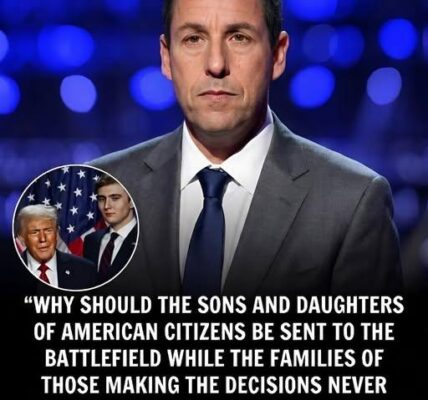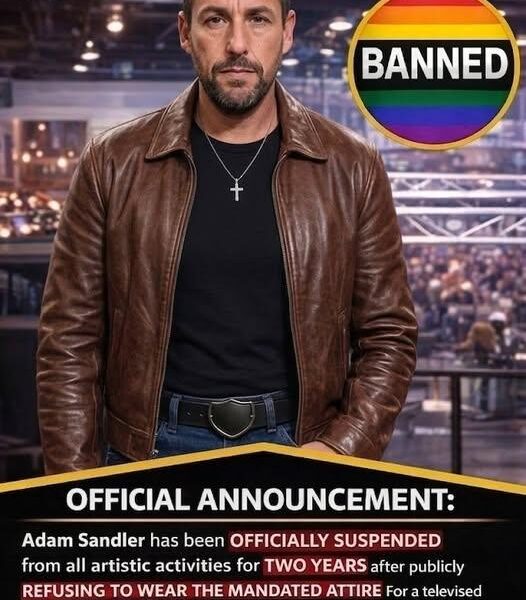

An explosive “official announcement” has been circulating online, claiming that Adam Sandler has been suspended from all artistic activities for two years after refusing to wear mandated attire at an LGBTQ+ pride-themed televised event in New York. The same claim goes even further, alleging that the mayor of New York City declared he would “never be allowed to hold a microphone and perform again.”
It’s a dramatic story. It’s emotional. It’s designed to grab attention.
But there’s a major problem: there is no credible evidence that any of this actually happened.
The Anatomy of a Viral Story
Posts like this follow a very recognizable pattern. They begin with a bold headline—“OFFICIAL ANNOUNCEMENT”—to create immediate authority. Then they introduce a high-profile figure like Adam Sandler, someone widely known and liked, to ensure engagement.
Next comes controversy—often tied to a sensitive or polarizing topic, such as an LGBTQ+ event. This is where emotions come into play. Whether readers feel supportive, angry, or confused, they are more likely to react, comment, and share.
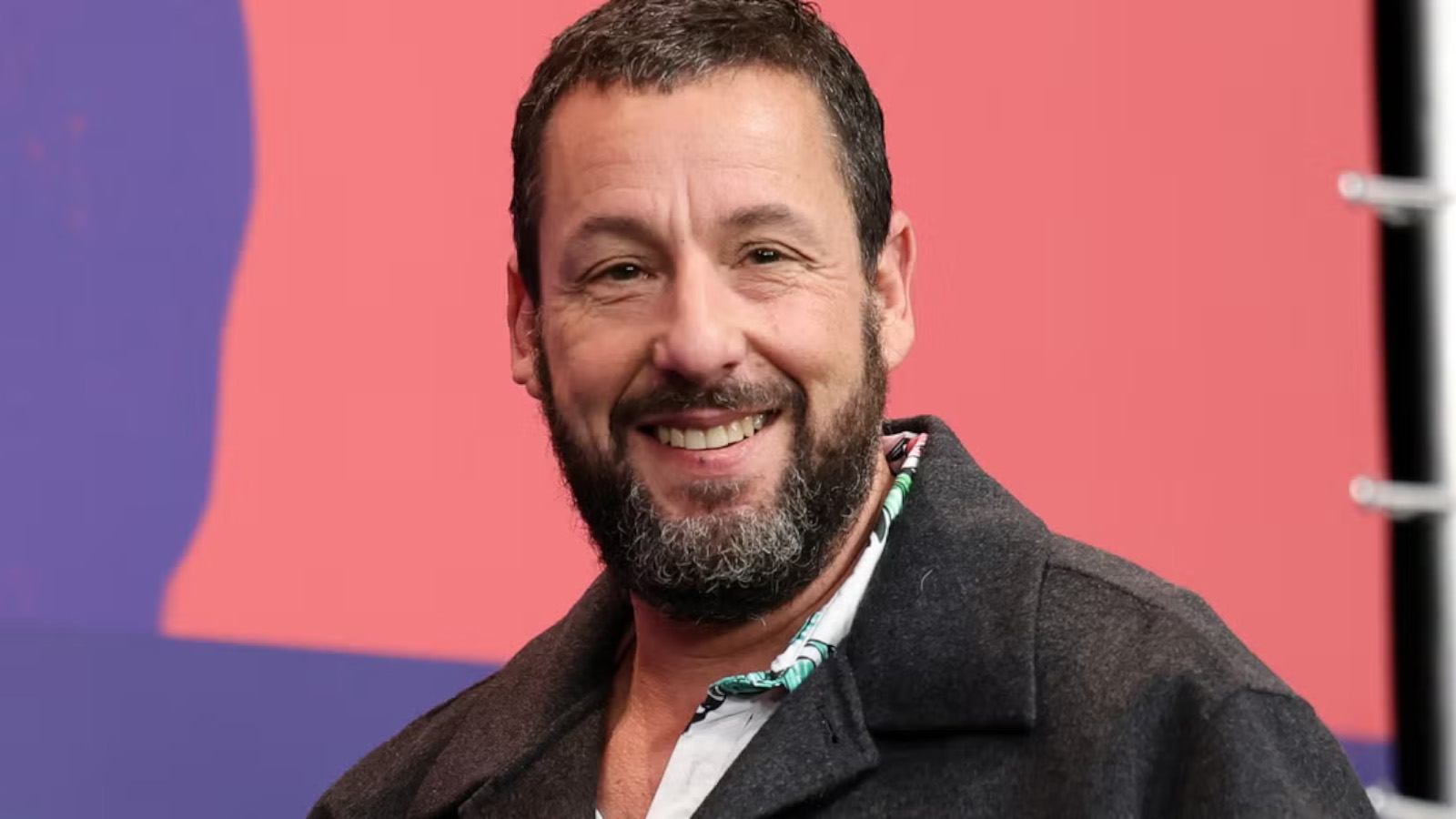
Finally, the story ends with a dramatic twist: a defiant act, like stepping on stage and refusing to engage with the “media storm.” This gives the narrative a cinematic feel—almost like a movie scene rather than a verified real-world event.
Why the Claim Doesn’t Hold Up
There are several reasons to question the accuracy of this story:
- No official sources: No major news outlets or verified statements from city officials in New York City have reported any suspension of Adam Sandler.
- Legal improbability: A mayor does not have the authority to ban a performer from “all artistic activities.” That kind of sweeping restriction would raise serious legal and constitutional issues.
- No confirmation from Sandler: Adam Sandler himself has made no public statement addressing such an incident.
- Entertainment industry norms: Even in cases of controversy, disciplinary actions in entertainment are typically handled by studios, networks, or unions—not city governments issuing blanket bans.
Taken together, these points strongly suggest that the story is either exaggerated, misinterpreted, or entirely fabricated.
The Real Adam Sandler
To understand why this story spreads so quickly, it helps to look at Sandler’s public image. For decades, he has been known as a laid-back, approachable performer—someone who often appears in casual clothing, even at formal events.
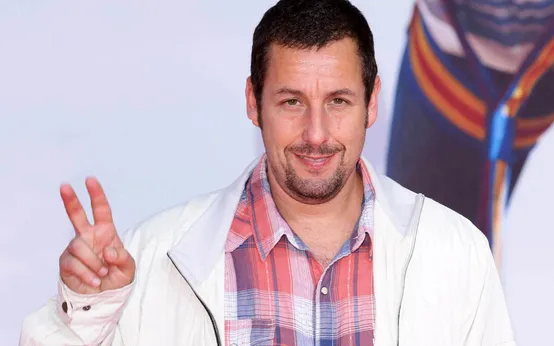
From films like Happy Gilmore to more recent projects, his brand has always been rooted in authenticity and humor. He’s not typically associated with political controversy or public disputes over social issues.
That contrast—between his usual persona and the dramatic claims in the viral post—is exactly what makes the story so attention-grabbing.
The Role of Social Media
Stories like this thrive in today’s digital environment. Social media platforms reward content that generates strong reactions, regardless of whether it is accurate.
When a post includes:
- A famous celebrity
- A controversial issue
- A sense of injustice or defiance
…it becomes highly shareable.
People often react quickly, without verifying the information. Within hours, a completely unverified claim can reach millions, creating the illusion that it must be true simply because it is widely discussed.
The Bigger Picture
This situation highlights a broader issue: the growing difficulty of separating fact from fiction online.
Not every “breaking news” story is real. Not every quote attributed to a public figure is accurate. And not every viral post reflects something that actually happened.
In many cases, these stories are designed not to inform, but to provoke.
That doesn’t mean the conversations they spark are meaningless. On the contrary, they often reveal genuine public concerns about freedom of expression, cultural expectations, and the role of celebrities in social issues.
But it’s important to base those conversations on verified facts, not misleading narratives.
A Teachable Moment

Instead of asking whether the story is shocking, a better question might be: Is it credible?
Before sharing or reacting, consider:
- Does this come from a reliable source?
- Are there multiple outlets reporting the same thing?
- Does the claim make sense legally and logically?
In this case, the answer to those questions points in one direction: skepticism.
Conclusion
The viral claim about Adam Sandler being banned from performing is a powerful example of how quickly misinformation can spread—especially when it involves a well-known figure and a controversial topic.
While the story paints a dramatic picture of defiance and censorship, there is no solid evidence to support it.
And sometimes, the most important takeaway isn’t the story itself—but the reminder to pause, question, and verify before believing what we see online.