“MVP YESTERDAY — EXPENDABLE TODAY?”: IS THE NFL TOO RUTHLESS WITH Kenneth Walker III?

“MVP YESTERDAY — EXPENDABLE TODAY?”: IS THE NFL TOO RUTHLESS WITH Kenneth Walker III?
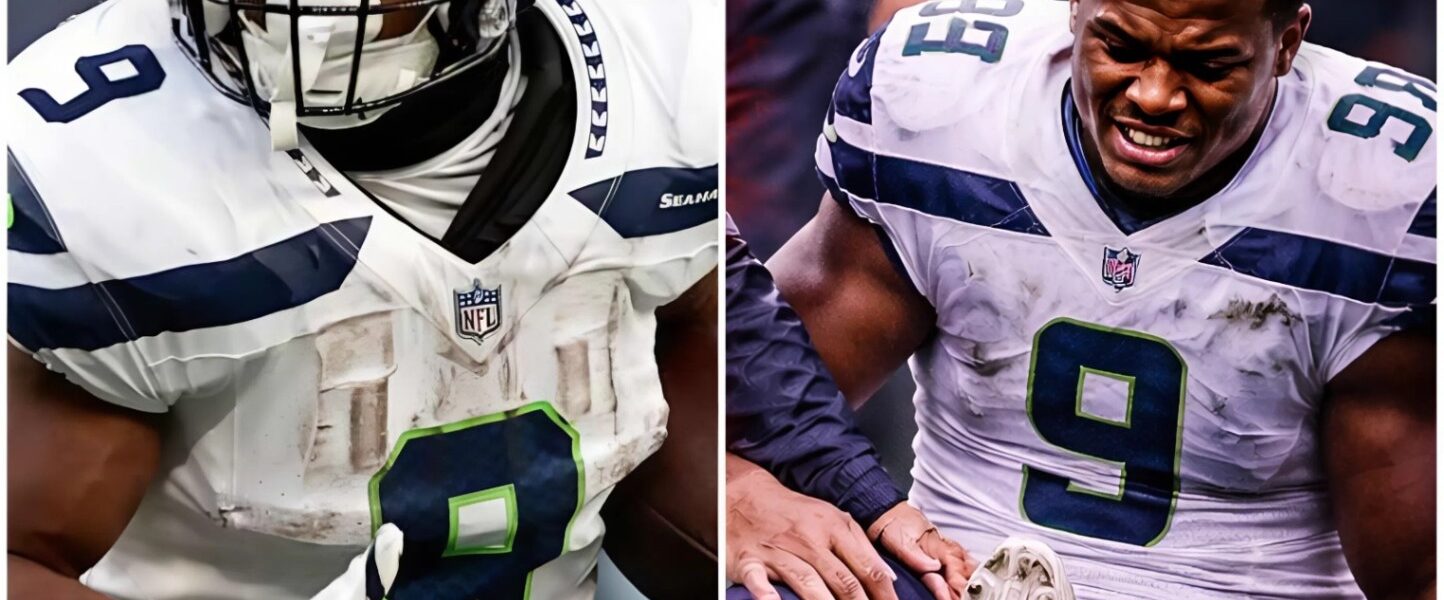
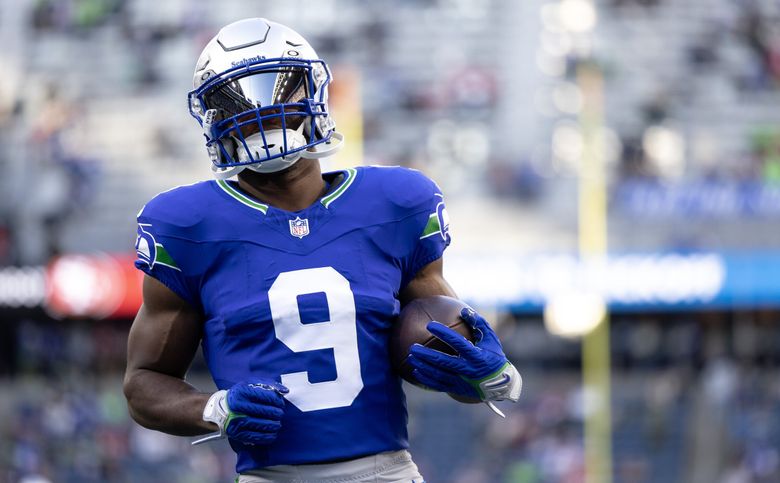
In a matter of weeks, Kenneth Walker III’s story has ignited one of the most heated debates in the NFL. From the pinnacle of glory as a Super Bowl MVP, he suddenly found himself outside the long-term plans of the Seattle Seahawks. A dramatic shift—and for many, a clear example of how cold and unforgiving the league can be.
From hero to replaceable asset
In professional sports, it’s not unusual for a player to rise to greatness and then be replaced. But Walker’s situation feels different.
He didn’t just perform well—he carried his team through the most critical moments. Explosive runs, game-changing plays, and ultimately a Super Bowl MVP award cemented his place as the face of that championship run.
Yet just one month later, there was no urgency from Seattle to secure his future. No early extension. No strong public commitment. No sign that he was the cornerstone moving forward.
That reality has left fans asking a brutal question:
If even a Super Bowl MVP isn’t safe, who is?
When human value becomes a calculation
To understand Seattle’s decision, you have to look at how the NFL truly operates. It’s not just a sport—it’s a business built on constant evaluation.
Teams make decisions based on:
- Salary cap constraints
- Player longevity
- Injury risk
- Positional value
And unfortunately for Walker, the running back position sits at the center of that harsh equation.
Running backs:
- Typically have shorter careers
- Face higher injury risks
- Are often viewed as replaceable with younger, cheaper talent
Walker may have been an MVP, but within the system, he was still considered a high-risk investment.
Managed at his peak
What makes the situation even more controversial is how Walker was used before all of this unfolded.
Throughout the season, the Seahawks carefully managed his workload:
- Limiting his carries
- Splitting touches with other backs
- Prioritizing long-term health over short-term dominance
On the surface, it makes sense. But for a player in peak form, it can feel like a silent restriction.
Walker wasn’t fully unleashed. He wasn’t given every opportunity to elevate his numbers. And in the end, those limitations may have influenced how he was valued in contract discussions.
It creates a difficult paradox:
A player is held back to protect the team—then judged based on what he couldn’t show.
Fan backlash and a divided narrative
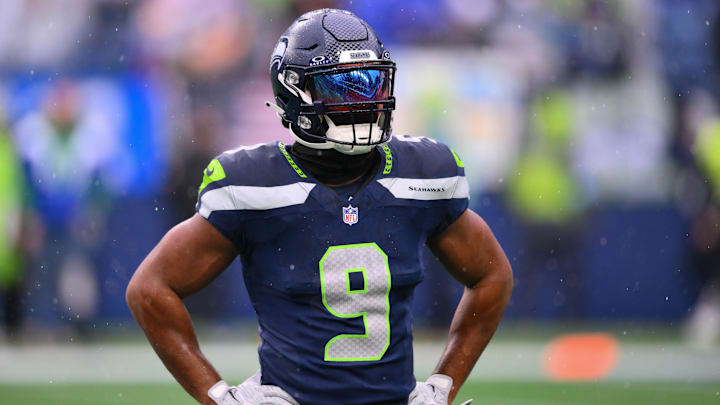
Once news broke that Seattle was not prioritizing Walker’s future, reactions exploded across the football world.
One side sees it as exploitation:
- A team benefiting from a player’s peak, then moving on
- A lack of loyalty after a championship run
- Proof that the NFL treats players as disposable assets
The other side defends the decision:
- Smart financial management
- Long-term roster building
- Avoiding overpaying a high-risk position
The debate quickly moved beyond Walker himself and into a broader question:
Is the NFL driven by passion—or purely by business?
Victim or winner?
Lost in the outrage is one key detail: Walker didn’t lose.
After leaving Seattle, he secured a major contract with the Kansas City Chiefs, one of the league’s most competitive teams.
There, he gains:
- A fresh opportunity to compete for another title
- Financial security at a higher level
- A new chapter in a system that values his impact
So is he truly a victim?
Or simply a player navigating the system successfully?
The bigger issue: the running back dilemma
Walker’s situation highlights a much larger issue within the NFL.
For years, running backs have faced:
- Short-term contracts
- Limited long-term security
- Rapid replacement cycles
Even elite players at the position have struggled to secure the kind of financial respect seen at quarterback or wide receiver.
This has led many analysts to argue:
The running back position may be the most undervalued—and overused—in the entire league.
Ruthless or realistic?
The NFL is not built on fairy-tale endings. Success does not guarantee stability. Loyalty is not always rewarded. And even the brightest stars can quickly become expendable.
Kenneth Walker III’s story forces fans to confront an uncomfortable truth:
- Greatness does not ensure security
- Recognition does not secure a future
- And business decisions often outweigh emotional ones
At the same time, it also shows:
- Players still have agency
- Opportunities exist beyond one team
- And success can be redefined on new terms
So is the NFL too ruthless?
Yes—but it’s a calculated kind of ruthlessness.
And in this world, the players who survive aren’t just the most talented—
they’re the ones who understand the business behind the game.