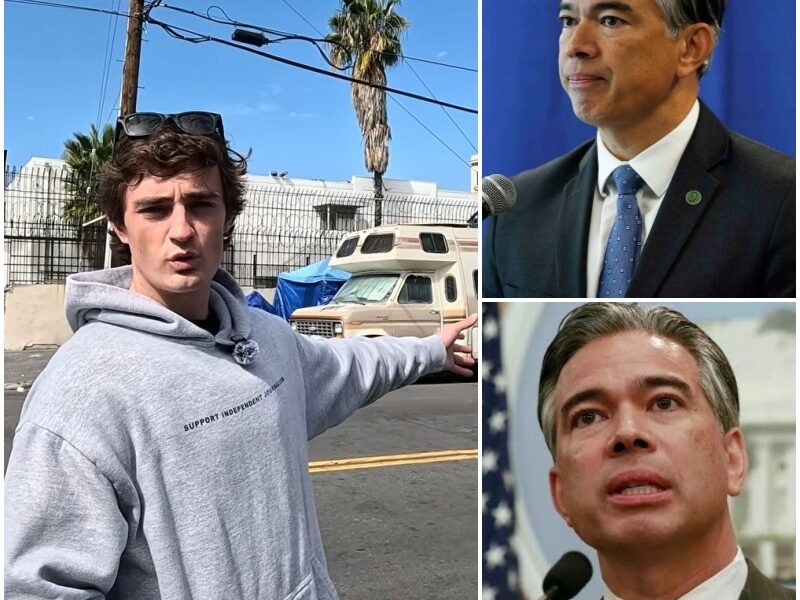

California finds itself embroiled in intense debates over election integrity, with independent journalist and influencer Nick Shirley at the forefront of recent controversies.
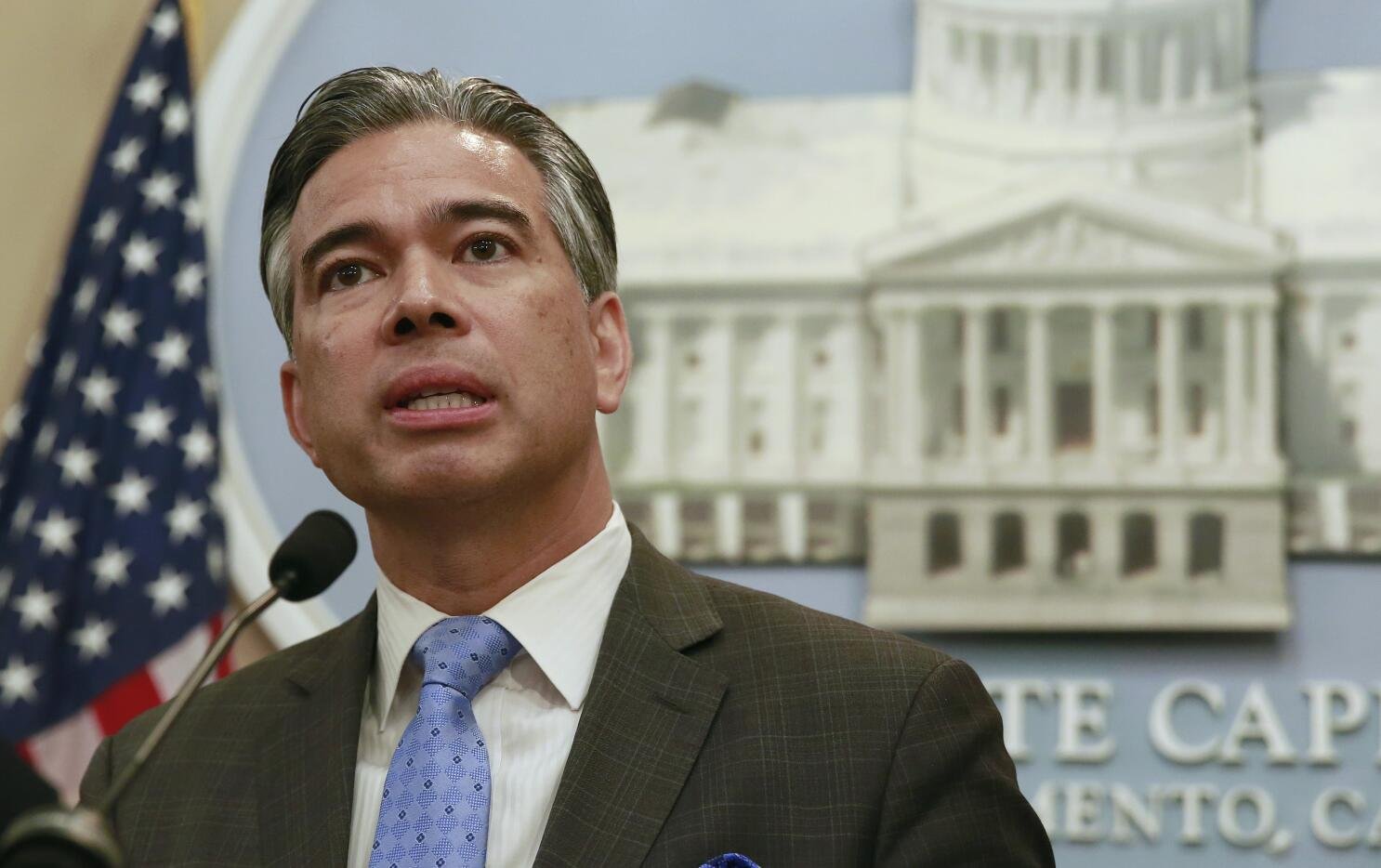
In a highly charged segment that has captured national attention, Shirley confronted California Attorney General Rob Bonta live on air, unleashing a barrage of accusations regarding what he describes as systemic bias, elite manipulation, and widespread irregularities in the state’s voter rolls.
The exchange quickly went viral, sparking heated discussions across social media and conservative circles about the potential for massive voter fraud in one of America’s most populous states.
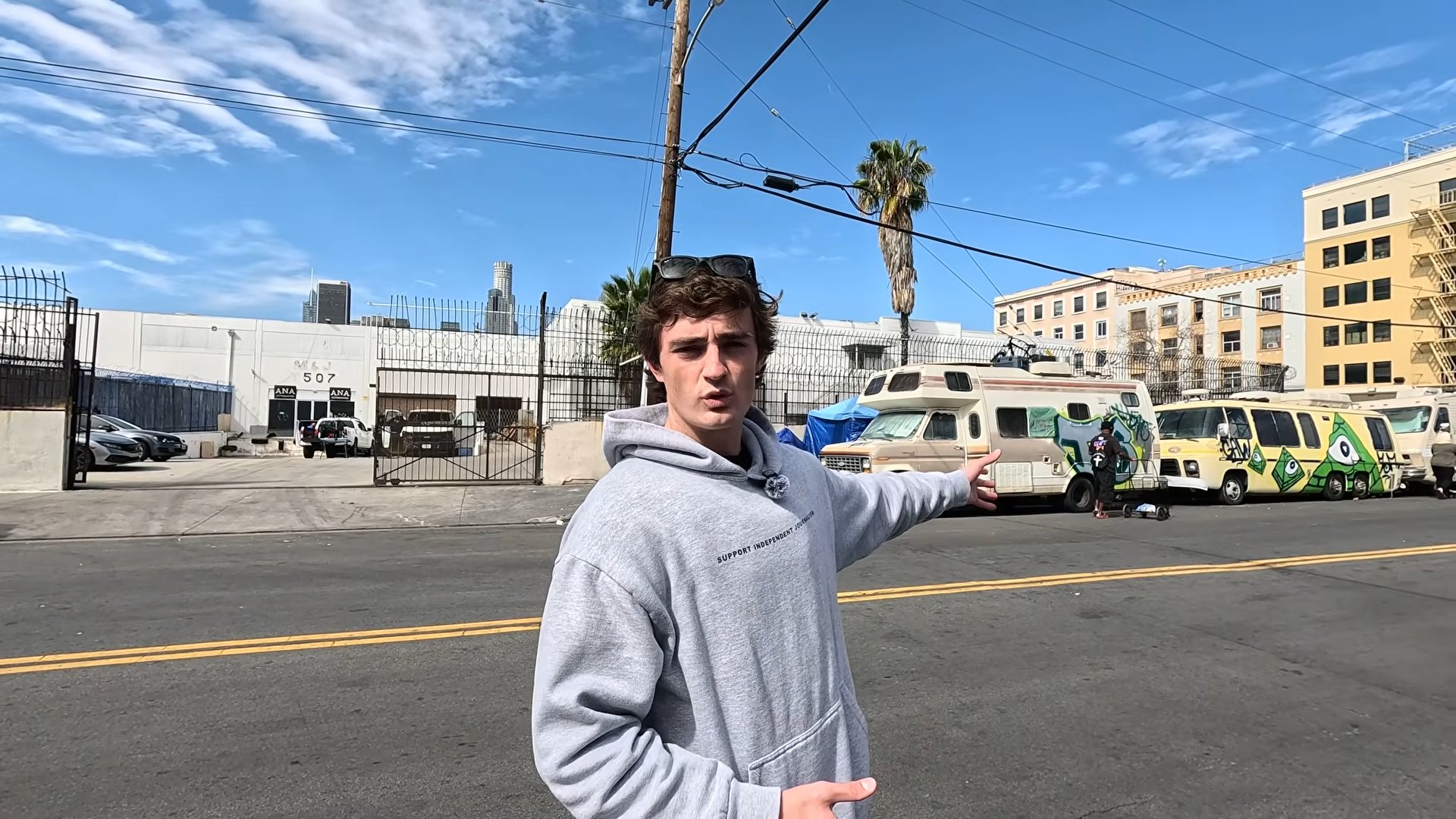
Nick Shirley, a YouTuber and self-described investigative journalist known for his on-the-ground reporting, has built a significant following by highlighting alleged instances of fraud and mismanagement.
His recent focus on California stems from public voter registration data accessible through the Secretary of State’s office.
Shirley has pointed to cases where dozens of individuals appear registered to vote using addresses tied to commercial mail receiving agencies, such as UPS stores.
In one widely shared video, he stood outside a UPS location and claimed over 30 people were listed as residing there for voting purposes.
He argued that while ballots can legally be mailed to a PO box or commercial address, using such locations as the primary domicile for voter registration raises serious red flags and may violate state rules distinguishing between mailing and residence addresses.
This, combined with California’s lack of strict voter ID requirements at polling places—relying instead on signature verification—creates what Shirley calls an environment ripe for exploitation.

Shirley further amplified concerns by referencing other anomalies in the voter rolls, including registrations associated with individuals listed as extremely aged (sometimes appearing “super-aged” beyond plausible lifespans), entries linked to deceased persons who had not been properly purged, and clusters of registrations at non-residential sites like public storage units or even vacant lots in some reports.
He has suggested these issues are not isolated errors but part of a broader pattern enabled by lax maintenance of voter databases and policies that prioritize accessibility over stringent verification.
Without mandatory photo ID, Shirley contends, the system invites abuse, especially in a state with automatic voter registration, mail-in voting by default, and extended voting periods.
During the live ambush-style interview, Shirley pressed Attorney General Rob Bonta relentlessly on these points.
Bonta, California’s top law enforcement officer and a Democrat overseeing aspects of election oversight and legal challenges, appeared caught off guard as Shirley delivered what many viewers described as “truth bombs.”
The AG attempted to respond by emphasizing that voter rolls are regularly maintained, that many such registrations are legitimate (for example, homeless individuals or those using commercial mailboxes for privacy or convenience), and that claims of widespread fraud lack substantiation from official investigations.
Bonta highlighted California’s robust safeguards, including signature matching for mail ballots and post-election audits, while dismissing many viral allegations as misinterpretations of data or politically motivated exaggerations.
Yet Shirley remained undeterred, framing the confrontation as a battle against “establishment control” and “hidden agendas.”

He positioned himself as a defender of America’s patriots—ordinary citizens concerned about fair elections—against a one-party dominant state government accused of negligence or worse.
The segment portrayed Bonta as struggling to mount a coherent defense, with his responses seen by Shirley’s supporters as evasive or dismissive of legitimate concerns.
Clips from the exchange spread rapidly, fueling outrage among those already skeptical of California’s electoral processes.
The broader context of these allegations ties into ongoing national debates about election security.
California, a reliably blue state, has faced criticism from conservatives for policies like no-excuse mail voting, same-day registration, and opposition to stricter ID laws.
Proponents of these measures argue they expand access and boost turnout, particularly among underrepresented groups, while critics like Shirley warn they erode trust and enable irregularities.
Recent viral videos, including Shirley’s, have drawn community notes on platforms like X (formerly Twitter) pointing out contextual explanations—such as multi-unit buildings sharing addresses or legal allowances for certain registrations—yet the narrative persists in right-leaning media.
Shirley’s mission appears rooted in a belief that exposing these issues is essential to preserving democratic integrity.
He has drawn parallels to other states and past controversies, insisting California’s problems are magnified by its scale and policies.
Supporters praise his fearless approach, viewing the Bonta confrontation as a rare moment when uncomfortable questions were forced into the open.
Detractors, including some local leaders and fact-checkers, accuse him of cherry-picking data, misunderstanding election laws, or amplifying debunked claims for clicks and political gain.
Regardless of perspective, the episode underscores deep divisions over how elections should be conducted in a diverse, high-population state like California.
As voter rolls continue to be scrutinized and calls for reform grow louder, incidents like this live ambush serve as flashpoints in a larger struggle over trust in the democratic process.
Whether Shirley’s allegations lead to official probes, policy changes, or simply heightened polarization remains to be seen—but for now, California remains a battleground not just for votes, but for the very perception of electoral fairness.