“Don’t Look Away”: Tom Hanks Raises Alarm Over Third-Term Rhetoric Ahead of Major Podcast Appearance

“Don’t Look Away”: Tom Hanks Raises Alarm Over Third-Term Rhetoric Ahead of Major Podcast Appearance
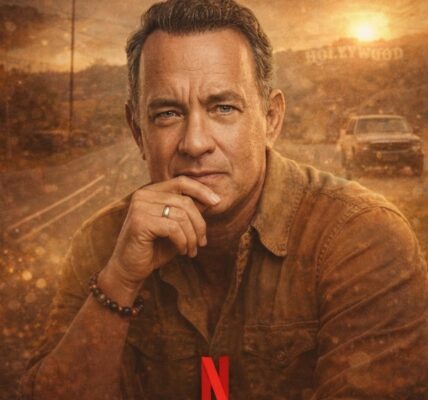
Hollywood icon Tom Hanks is making headlines this week—not for a new film, but for stepping into the national political conversation with a serious warning about the future of American democracy.
Ahead of his highly anticipated appearance on The Best People with Nicole Wallace podcast, the two-time Academy Award winner shared concerns about political rhetoric suggesting that former U.S. president Donald Trump could seek a third presidential term. Hanks urged Americans not to dismiss such talk as jokes or campaign theatrics.
Known for decades as one of Hollywood’s most respected and measured voices, Hanks rarely engages directly in partisan debates. However, his recent remarks suggest he believes the moment calls for greater attention and public awareness.

A Warning About “Political Theatrics”
During a candid conversation with political commentator Nicole Wallace, Hanks reportedly addressed the growing public discourse around the possibility—however unlikely—of a third presidential term.
Some political observers and commentators have previously suggested that statements about extending presidential power are merely rhetorical flourishes intended to energize supporters. But Hanks pushed back against that idea.
According to the preview clip released ahead of the podcast, Hanks emphasized that citizens should not treat such statements casually.
“We don’t have the luxury of assuming this is just a joke,” he reportedly said, urging Americans to pay close attention to the tone and direction of political discourse.
The actor stressed that democratic institutions rely heavily on long-standing norms—particularly the willingness of leaders to respect limits on power.
The Constitutional Reality
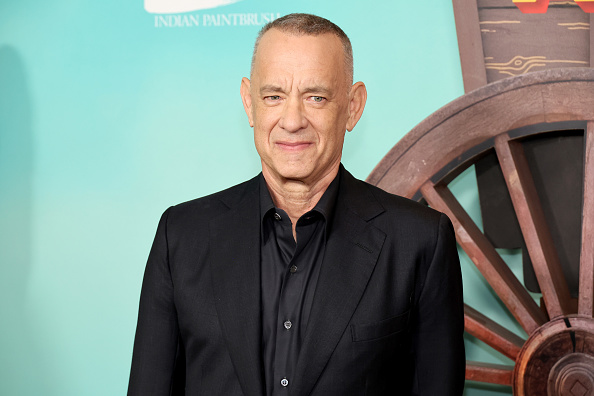
Central to the debate is the Twenty-second Amendment to the United States Constitution, which explicitly limits U.S. presidents to two elected terms in office.
The amendment was ratified in 1951 following the unprecedented four-term presidency of Franklin D. Roosevelt. Since then, it has served as a clear constitutional safeguard against extended presidential rule.
For any president to seek a third term legally, the Constitution itself would have to be amended—a process that requires approval from two-thirds of both houses of Congress and ratification by three-quarters of U.S. states.
Political scholars widely agree that such a change would be extraordinarily difficult to achieve.
Still, Hanks suggested that repeated public discussions about bypassing or challenging those limits can have broader cultural consequences.
Critics of third-term rhetoric argue that normalizing such ideas—even rhetorically—could erode public trust in democratic institutions.
From the Silver Screen to the Civic Stage
For most of his career, Tom Hanks has allowed his films to speak louder than political commentary.
With iconic performances in movies like Forrest Gump, Saving Private Ryan, and Cast Away, he has built a reputation as one of the most beloved figures in global cinema.
However, in recent years the actor has occasionally used his platform to encourage civic engagement and public participation in democracy.
In past interviews and public appearances, Hanks has emphasized the importance of voting, civic responsibility, and respectful political dialogue.
His latest comments represent one of the clearest examples of him addressing a specific constitutional concern.
For Hanks, who grew up during the politically turbulent decades of the 1960s and 1970s, the current climate may feel particularly consequential.
Observers note that his willingness to enter the conversation now reflects a belief that public figures sometimes have a responsibility to speak when democratic norms appear under pressure.
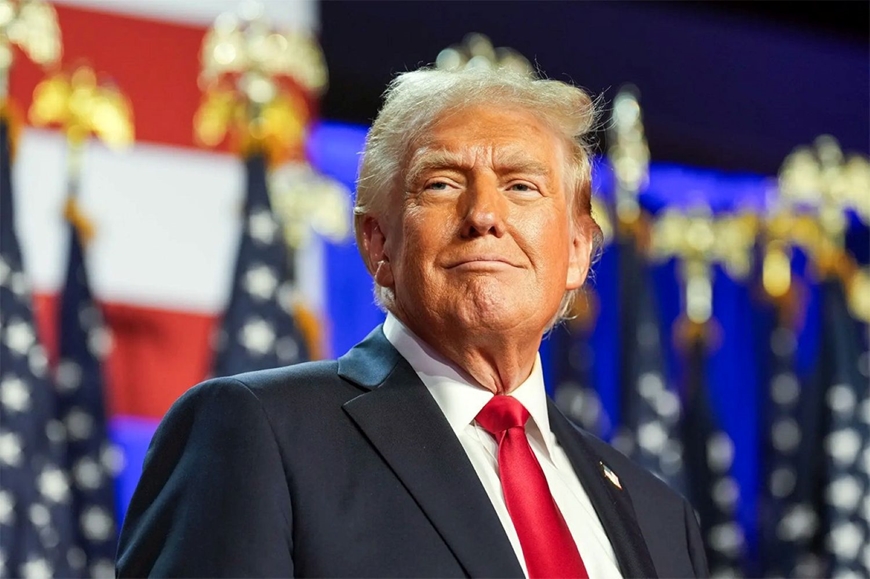
Social Media Reaction
Unsurprisingly, Hanks’ remarks quickly sparked widespread reaction across social media platforms.
Supporters praised the actor for using his influence to highlight constitutional issues and encourage citizens to stay engaged in the political process.
Many users described his comments as thoughtful and responsible, noting his long reputation as a steady and respected public voice.
However, critics were equally vocal.
Some commentators argued that celebrities should avoid weighing in on complex constitutional matters. Others accused Hanks of contributing to political polarization by engaging directly with partisan topics.
The debate quickly spread across platforms like X (formerly Twitter), where hashtags referencing the actor began trending within hours of the podcast preview’s release.
A Conversation That Won’t Disappear
Regardless of where people stand politically, one thing is clear: Tom Hanks has added momentum to an already intense national discussion about presidential power and constitutional limits.
The debate surrounding potential third-term rhetoric continues to divide commentators, legal scholars, and voters alike.
As Americans look toward future elections and the evolving political landscape, conversations about the strength—and fragility—of democratic norms remain front and center.
Listeners are now eagerly awaiting the full release of Hanks’ interview with Nicole Wallace, which promises to provide deeper insight into his concerns and his broader perspective on the responsibilities of citizenship.
For now, his central message appears simple but urgent: pay attention.
In Hanks’ words, it’s not a moment for indifference.
It’s a moment to watch closely—and not look away.