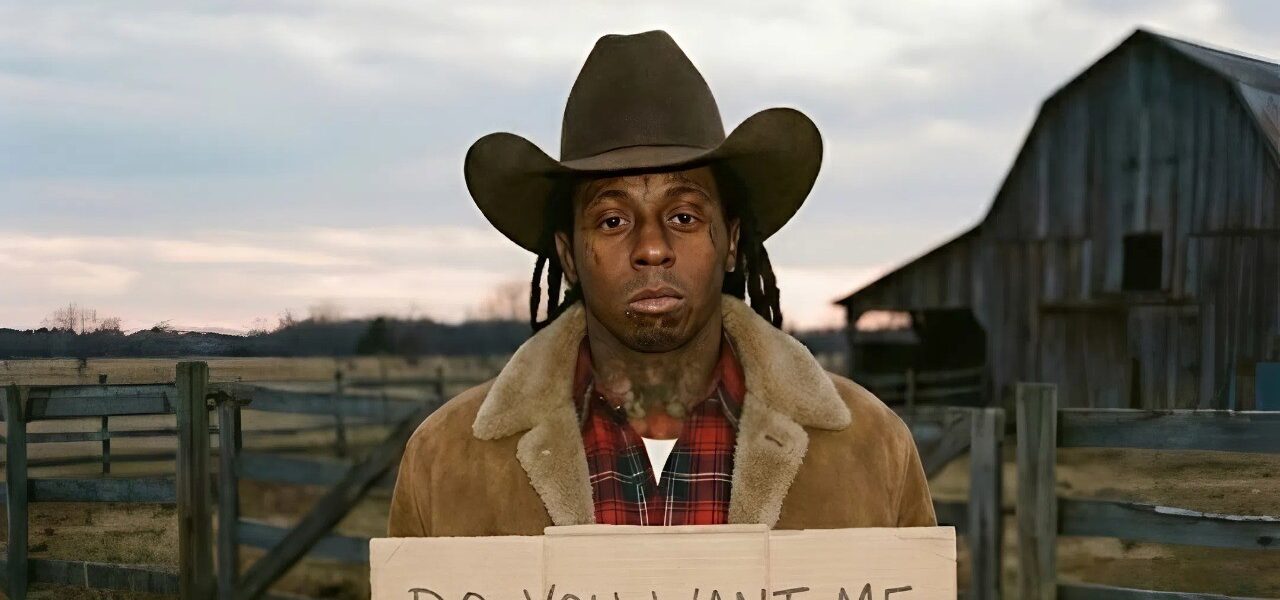
Imagine this: the lights dim, 70,000 people fall silent, and instead of fireworks or dancers, one man walks to midfield.

Imagine this: the lights dim inside a packed stadium, 70,000 people rising and then falling into a sudden hush. The cameras sweep across faces painted in team colors. The stage glows at midfield. And instead of fireworks exploding or dancers flooding the turf, one man walks out alone. No spectacle. No distractions. Just a microphone, a bassline that hums low in the chest, and a presence carved from decades of bars, scars, and brilliance.
That man is Lil Wayne.
For real hip-hop fans, watching Wayne command the Super Bowl halftime show wouldn’t simply be entertainment — it would be history crystallizing in real time. It wouldn’t rely on viral choreography or pop crossovers engineered for mass appeal. It would be raw lyricism. Unmistakable cadence. The quiet but undeniable confidence of an artist who reshaped the sound of a generation and influenced nearly everyone who followed.
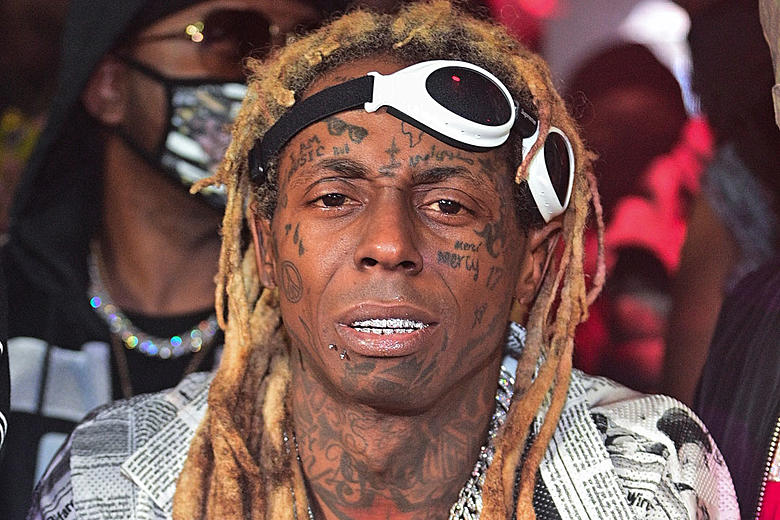
The 2026 halftime spotlight is set for Bad Bunny, a global force with chart-topping hits and electrifying stage energy. And that will be a spectacle of its own — vibrant, rhythmic, explosive. But it’s impossible not to imagine the alternative: what it would feel like if Lil Wayne stood alone beneath those lights, representing hip-hop not as trend, but as testimony.
He wouldn’t need fireworks. He’d open stripped back. Maybe the opening horns of “6 Foot 7 Foot” slice through the speakers. Maybe the opening seconds of “A Milli” drop — that minimalist beat, that steady build. The crowd would freeze for half a heartbeat before recognition spreads like electricity. Suddenly 70,000 voices erupt, rapping word for word, proving how deeply those verses live in memory.
And in that moment, the stadium wouldn’t feel like a stadium anymore. It would feel intimate. Suspended in time.
Lil Wayne’s presence isn’t loud in a manufactured way — it’s commanding because it’s earned. From the early days of the Hot Boys to the Carter series that redefined mixtape culture, his catalog is stitched into the identity of modern rap. His punchlines bent language. His metaphors rewired rhythm. His work ethic turned doubt into dominance. Every era of hip-hop over the past two decades carries a trace of his influence.
So imagine the transitions. The beat drops into “Lollipop,” the crowd swaying in collective nostalgia. Then “Mrs. Officer,” playful and charismatic. Then maybe the tempo shifts — the lights dim, a single spotlight catching him for “How to Love.” Suddenly, bravado turns vulnerable. The air changes. The noise softens.
It wouldn’t be about hype anymore.

It would be about truth.
Because Wayne’s voice carries layers — hunger, pain, humor, survival. He raps like someone who has faced dismissal and still returned stronger. He sounds like someone who understands reinvention because he lived it. That authenticity cannot be choreographed. It doesn’t need backup dancers to feel powerful.
If “Let It All Work Out” echoed through that arena, it would hit differently. A song about reflection and survival under the biggest lights in sports. It would remind millions that behind every headline and every platinum plaque is a human being who endured. And that’s the difference between spectacle and substance.
Lil Wayne doesn’t chase moments; he defines eras. When others followed waves, he created them. When critics doubted longevity, he expanded it. He made mixtapes feel like albums and albums feel like movements. He turned wordplay into an art form that demanded attention.
A halftime show led by him wouldn’t be overloaded. It wouldn’t try to prove anything. It would stand firm in its identity. Just bars. Just presence. Just history speaking for itself.
And hip-hop, when done right, belongs on the world’s biggest stage. Not as background flavor. Not as commercial accessory. But as culture. As craft. As poetry sharpened into rhythm.
For the generation that grew up with Wayne in their headphones — replaying verses on bus rides, memorizing punchlines in bedrooms, finding confidence in his defiance — that performance wouldn’t just feel like a concert. It would feel like acknowledgment. Recognition that the music that shaped them shaped the world, too.
Under those Super Bowl lights, authenticity would outlast spectacle. Lyrics would matter. And one man, alone at midfield with nothing but a mic and decades of earned respect, would remind everyone watching why hip-hop endures.