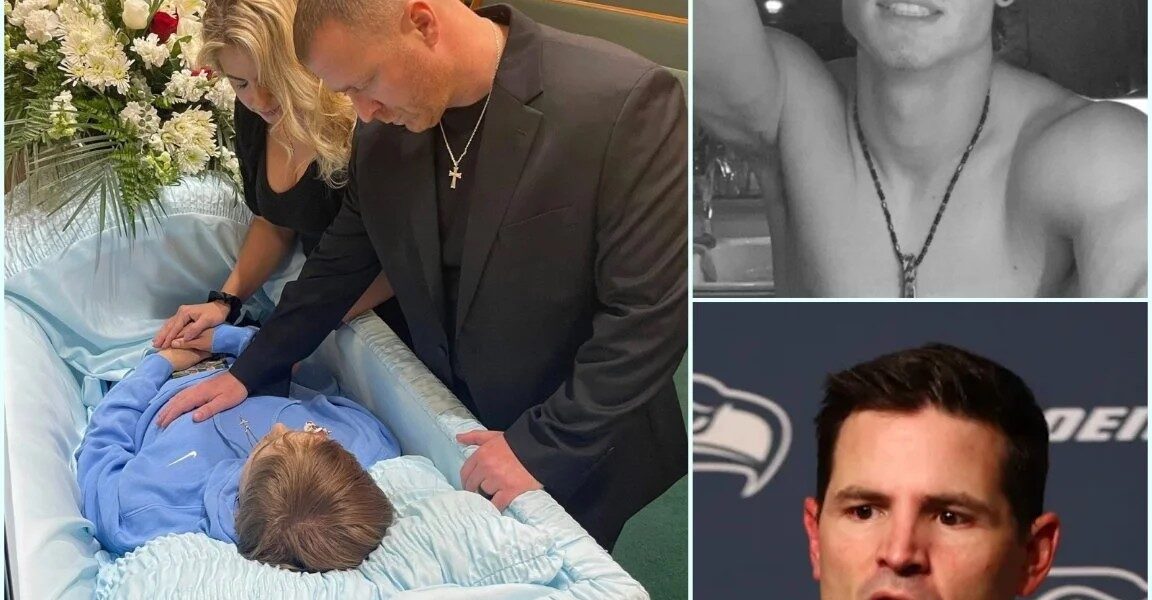

The heartbreaking story of a 15-year-old teenager has sparked grief, reflection, and urgent conversations about online safety across the United States.
Bryce Tate, remembered by friends and family as a bright, energetic young person with big dreams, died after becoming the victim of a disturbing online situation that investigators are still working to understand fully.
Bryce was known among classmates, teammates, and neighbors as a friendly and optimistic teen who loved sports, spending time with friends, and talking about the future.
Those who knew him say he had a natural enthusiasm for life and a personality that made people feel welcome.
For his family, he was not only a beloved son but also a source of constant joy and pride.

What began as an ordinary day eventually turned into a devastating tragedy.
According to early reports, Bryce had been communicating online with someone who initially gained his trust.
Over time, the interaction reportedly escalated into a situation involving threats and coercion, leaving the teenager frightened and unsure how to escape the pressure he was facing.
Authorities are now examining digital records and online communications as part of an ongoing investigation.
Law enforcement officials say they are carefully tracing the digital trail to identify the individual responsible and determine exactly what happened in the days leading up to Bryce’s death.
While the investigation continues, Bryce’s story has already begun to highlight the hidden dangers that young people may encounter online.
Experts say teenagers today are more connected than ever before, but that constant connectivity can also expose them to risks that many families do not fully understand.
Cases involving online extortion, manipulation, and harassment have increased in recent years, particularly among young users who may not recognize warning signs until the situation has already escalated.
Advocates for online safety say Bryce’s story serves as a painful reminder that conversations about digital responsibility and protection are more important than ever.
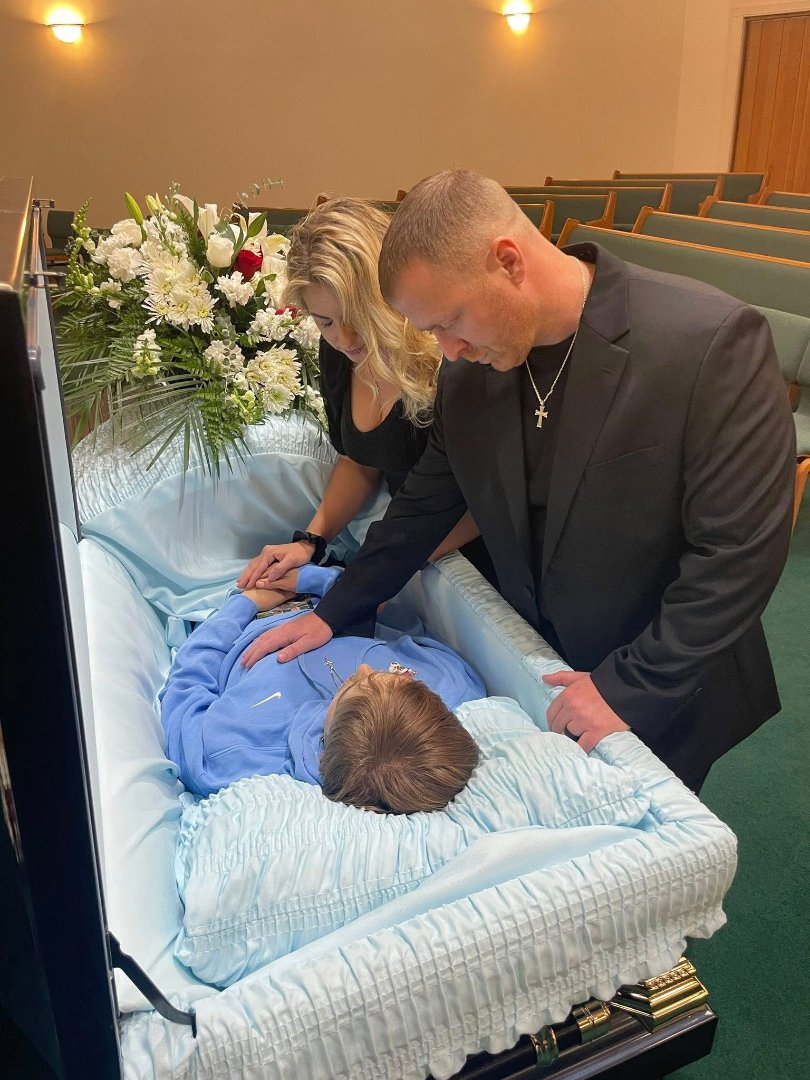
Bryce’s mother, Amanda, has spoken publicly about the tragedy in hopes that sharing her son’s story might help protect other children.
Through her grief, she has expressed a desire to turn heartbreak into awareness.
“No family should ever have to experience something like this,” she said.
“If telling Bryce’s story helps even one child or one parent recognize the warning signs and ask for help sooner, then his life will continue to make a difference.”
Her message has resonated with parents and educators who say many teenagers face enormous pressure when confronted with online threats or manipulation.
Fear, embarrassment, or confusion can prevent young people from seeking help from adults when they need it most.
Community members have begun organizing vigils and online tributes in Bryce’s memory.
Friends describe him as someone who had a gift for making people laugh and bringing positive energy into any room.
Teachers remember a student who was curious, respectful, and eager to succeed.

The tragedy has also drawn attention from members of the sports community.
Bryce was known to love football and dreamed of one day competing at the highest levels of the sport.
Though he was still very young, people close to him say his dedication and passion for the game stood out.
In a statement responding to the news, the head coach of the Seattle Seahawks, Mike Macdonald, expressed sorrow and sympathy for Bryce’s family and the community affected by the loss.
“This is a devastating loss,” Macdonald said.
“Bryce Tate was not only a talented young football player but also an incredible young man with a very bright future ahead of him.
Our entire organization sends our deepest condolences and prayers to his family and to everyone who loved him.”
The statement reflected the broader sense of grief felt across the sports world, where stories of promising young athletes resonate deeply.
Even though Bryce’s journey in football had only begun, many people believed he had the determination and passion to achieve great things.
For those closest to him, however, Bryce’s story is not about potential achievements but about the loss of a beloved son, friend, and member of the community.
The memories they share—of laughter, kindness, and youthful dreams—now carry a bittersweet weight.
As the investigation continues, many advocates hope the tragedy will lead to stronger awareness efforts about digital safety.
Schools, parents, and technology experts are increasingly calling for education programs that teach young people how to recognize manipulation, report threats, and seek help when something feels wrong.
Bryce’s family has said they want his story to become a turning point—one that encourages more open conversations about the realities of online risks.
In the end, Bryce Tate’s life, though painfully short, has already begun to inspire a broader movement for awareness and protection.
For those who knew him, honoring his memory means ensuring that other families never have to face the same heartbreak.
And for a grieving community, remembering Bryce is about more than tragedy.
It is about preserving the spirit of a young life that brought joy to many and reminding the world that every child deserves safety, support, and hope for the future.