
Debate Over Transparency Intensifies After Release of 3.5 Million Pages of Epstein Records

Debate Over Transparency Intensifies After Release of 3.5 Million Pages of Epstein Records
A massive release of documents related to the Jeffrey Epstein investigation has sparked renewed debate in Washington about transparency, accountability, and what information may still remain undisclosed.

On January 30, 2026, the U.S. Department of Justice released approximately 3.5 million pages of records tied to Epstein under the Transparency Act, a law signed by President Donald Trump requiring the disclosure of large portions of investigative files connected to the late financier’s case.
The documents contain references to numerous public figures, business leaders, and political officials who appeared in various interviews, contact records, or investigative notes over the years. Among those referenced in the documents are political and media figures whose names appear in different contexts throughout the records.

The Justice Department stated that mentions of individuals in the files do not necessarily indicate wrongdoing and emphasized that allegations appearing in interview transcripts or investigative notes are unverified claims made during the course of investigations.
Still, the scale of the document release has prompted questions from journalists and lawmakers about whether all relevant materials were made public.
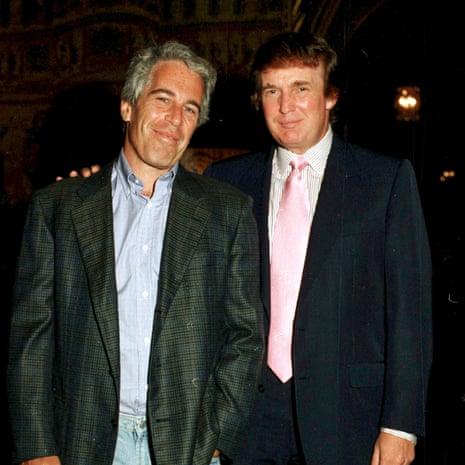
An NPR investigation reported that more than 50 pages of FBI interview records connected to a witness were not included in the public release. According to the report, those pages were withheld or redacted during the disclosure process. Members of the House Oversight Committee from the Democratic Party have called for further explanation from the Justice Department, arguing that withholding portions of the files could undermine the intent of the transparency law.
The White House has strongly denied any suggestion of wrongdoing related to the allegations referenced in the withheld material. Officials stated that the administration supports the release of investigative records while also ensuring that privacy protections, legal standards, and due process considerations are respected.

“The allegations referenced in certain documents are baseless and false,” a Justice Department spokesperson said, adding that references to public figures in investigative files often appear during the course of large criminal investigations without necessarily leading to charges or findings of misconduct.
The controversy has also drawn attention from public figures outside politics. Actor Johnny Depp, speaking in a recent interview, said the public deserves “the whole truth” when it comes to the Epstein case and the broader questions surrounding who may have been connected to the financier’s network.

“Transparency matters,” Depp said. “People want to understand what happened and who was involved, and the only way to rebuild trust is to make sure the full truth is known.”
Meanwhile, the broader document release has already led to renewed investigations in several countries, where authorities are reviewing information contained in the records. Law enforcement agencies and prosecutors in Europe and the United States are reportedly examining whether any new evidence could support ongoing or future legal actions.

Legal experts say the release of such a large volume of investigative material is unusual and could take months — or even years — for journalists, researchers, and lawmakers to fully analyze.
“The public is seeing only the beginning of what may come out of these records,” said one legal analyst. “When millions of pages of documents become available, it often takes a long time before the full implications become clear.”
For now, the central question remains whether the files released represent the complete picture of the Epstein investigation or whether additional documents — redacted, withheld, or still classified — could further shape public understanding of the case.
Lawmakers from both parties have suggested that additional hearings or reviews may be necessary to determine whether the transparency law was fully implemented as intended.
Until then, the debate continues over how much of the story has truly been revealed — and whether more information could still emerge from one of the most scrutinized investigations in recent history.