“Don’t Look Away”: Jon Stewart Raises Concerns Over Third-Term Rhetoric Ahead of Major Podcast Appearance

“Don’t Look Away”: Jon Stewart Raises Concerns Over Third-Term Rhetoric Ahead of Major Podcast Appearance
Comedian, writer, and political commentator Jon Stewart is drawing national attention this week—not for a late-night monologue, but for stepping into a serious political conversation about the future of American democracy.
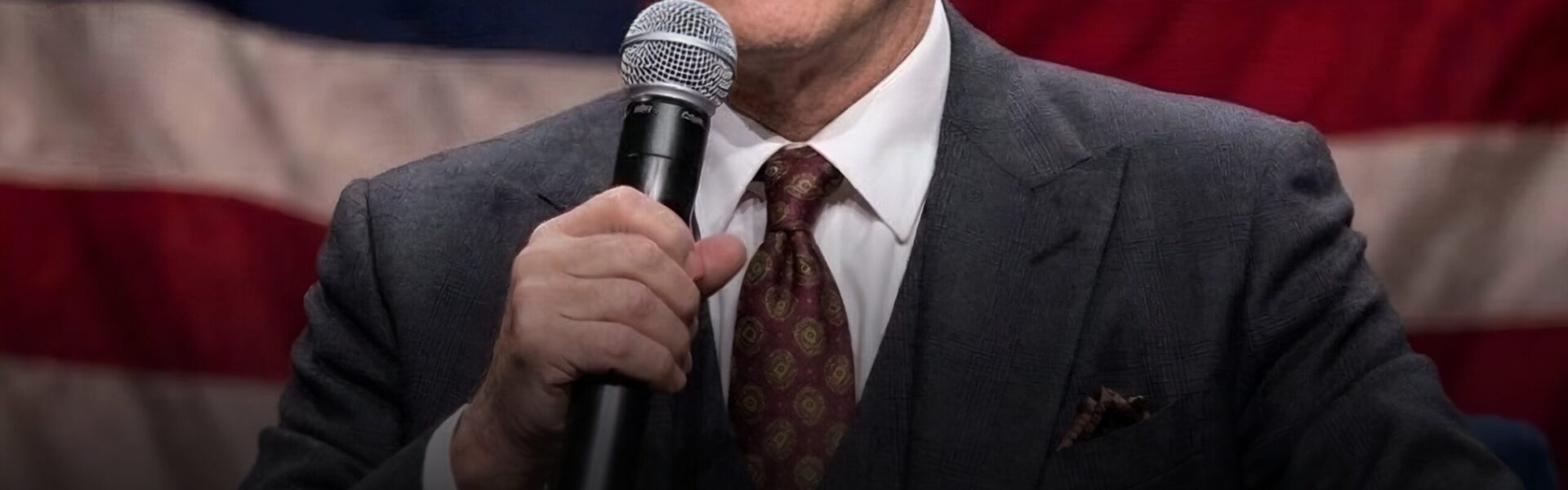
Ahead of his anticipated appearance on The Best People with Nicolle Wallace podcast, Stewart shared concerns about political rhetoric suggesting that former U.S. president Donald Trump could attempt to pursue a third presidential term. In early preview clips, Stewart urged Americans not to dismiss such statements as mere jokes or campaign theatrics.
Known for blending sharp humor with pointed political analysis, Stewart has long used satire to critique power. But in this instance, his tone appears more cautionary than comedic, signaling that he believes the issue deserves closer public attention.

A Warning About “Political Theater”
During a candid conversation with political commentator Nicolle Wallace, Stewart reportedly addressed the growing debate surrounding the possibility—however remote—of a third presidential term.
Some political analysts have suggested that remarks about extending presidential power are simply rhetorical tactics meant to energize political supporters. Stewart pushed back against that idea, warning that even casual references to bypassing established limits deserve serious scrutiny.
According to the podcast preview, Stewart emphasized that citizens should not treat such statements lightly.
He suggested that democratic systems rely not only on written laws but also on long-standing norms and expectations—particularly the understanding that leaders respect the boundaries of their authority.
By raising the issue publicly, Stewart appears to be encouraging Americans to pay closer attention to the tone and direction of political discourse.
The Constitutional Framework
At the center of the discussion is the Twenty-second Amendment to the United States Constitution, which limits U.S. presidents to two elected terms in office.
The amendment was ratified in 1951 following the unprecedented four-term presidency of Franklin D. Roosevelt. Since then, it has served as a clear constitutional safeguard preventing any single president from holding power indefinitely.
For a third presidential term to become legally possible, the Constitution itself would have to be amended—a process that requires approval from two-thirds of both houses of Congress and ratification by three-quarters of the states.
Legal scholars widely agree that achieving such a change would be extremely difficult.
However, Stewart suggested that repeated public discussion about challenging these limits can still have broader cultural consequences. Critics argue that normalizing such ideas—even hypothetically—may weaken public confidence in democratic institutions.
From Comedy to Civic Commentary

For much of his career, Jon Stewart has balanced humor with political insight. As the longtime host of The Daily Show, he became known for using satire to dissect media narratives, political spin, and government actions.
His commentary has often resonated beyond entertainment, influencing how audiences understand complex political issues.
While Stewart typically approaches politics through comedy, his latest remarks suggest a more direct appeal for civic awareness.
In past public appearances and interviews, Stewart has emphasized the importance of informed citizenship, responsible media consumption, and participation in democratic processes. His comments in this upcoming podcast conversation appear to follow that same philosophy.
Observers note that Stewart’s willingness to address constitutional concerns reflects his long-standing belief that public figures can help spark meaningful dialogue when important democratic norms are being debated.
Social Media Reactions
Stewart’s comments quickly ignited discussion across social media platforms.
Supporters praised him for raising awareness about constitutional issues and encouraging Americans to stay engaged in the political process. Many highlighted his history of thoughtful political commentary and his reputation for challenging powerful institutions through satire.
Critics, however, were equally vocal. Some argued that entertainers should avoid entering constitutional debates, while others accused Stewart of fueling political polarization by engaging directly with controversial topics.
Within hours of the preview clip’s release, discussions referencing Stewart’s remarks began trending online, illustrating how quickly the conversation had captured public attention.
A Debate That Continues
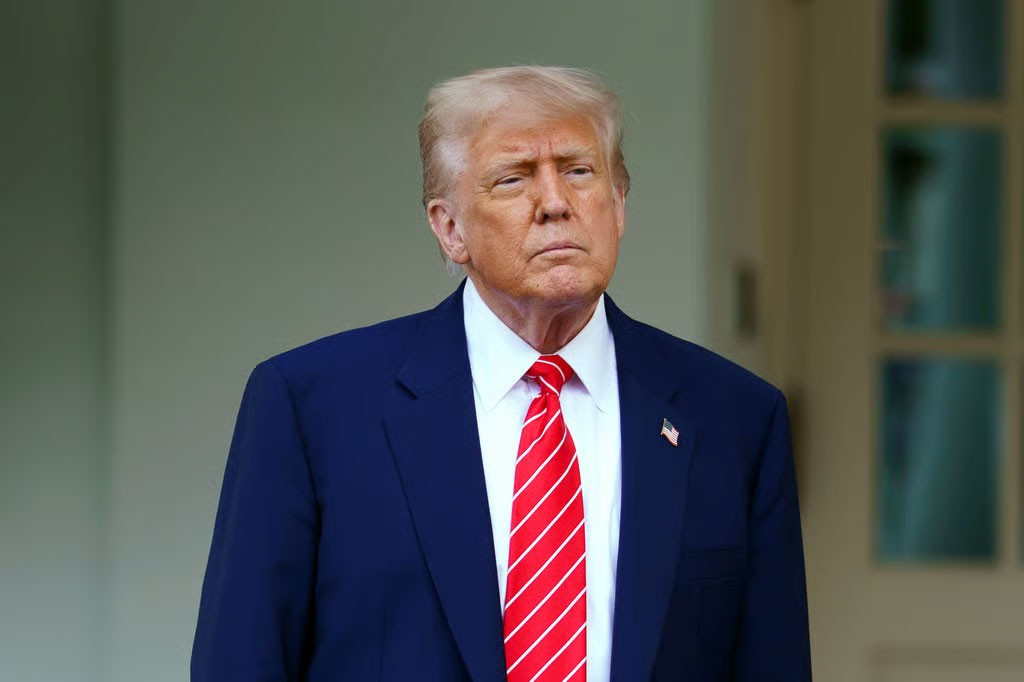
Regardless of where individuals stand politically, Stewart’s remarks have added momentum to an already heated national discussion about presidential power and constitutional limits.
Debate surrounding the possibility of third-term rhetoric continues to divide commentators, legal scholars, and voters. For some, the issue represents a serious constitutional concern; for others, it remains largely hypothetical.
As the country continues to navigate an evolving political landscape, conversations about the resilience—and vulnerability—of democratic norms remain at the forefront.
Listeners are now eagerly awaiting the full release of Stewart’s conversation with Nicolle Wallace, which is expected to provide deeper insight into his views and concerns.
For now, his core message appears clear: citizens should stay informed, pay attention to political rhetoric, and remain actively engaged in the democratic process.
In Stewart’s view, moments like this demand awareness.
It is not a time to look away.