
3.5 Million Pages Released — But What Was Left Out? The Explosive Debate Over Hidden Epstein Files

3.5 Million Pages Released — But What Was Left Out? The Explosive Debate Over Hidden Epstein Files
Imagine announcing the release of 3.5 million pages of evidence to the public — only to face allegations that certain pages referencing the President were quietly withheld.
That is the controversy surrounding the recent disclosure of records connected to Jeffrey Epstein — a move intended to promote transparency, yet one that has sparked renewed debate about accountability and trust.
Among the public figures urging full disclosure are sisters Ann Wilson and Nancy Wilson. In a recent interview, they stated that the public “deserves to know the whole truth,” emphasizing that transparency should not depend on political consequences.

The Massive Document Release
On January 30, 2026, the United States Department of Justice released 3.5 million pages of records related to Epstein under a Transparency Act signed into law by Donald Trump.
According to official summaries, Trump’s name appears more than 1,000 times within the documents. The Department of Justice has described any allegations against him in the records as “unfounded and false,” maintaining that references do not equate to proof of wrongdoing.
Supporters of the administration described the release as one of the most extensive disclosures in federal history — a step they argue demonstrates a commitment to openness.
However, questions quickly emerged.
Allegations of Withheld Transcripts
An investigation by NPR reported that more than 50 pages of FBI interview transcripts were allegedly removed or withheld prior to publication. The transcripts reportedly involved interviews with a woman who accused Trump of sexual abuse during her childhood.
Democratic members of the House Oversight Committee characterized the alleged withholding as a potential crime, arguing that selective redaction undermines the spirit of a transparency law designed to restore public trust.
The White House denied the accusations, stating that Trump “has done more for victims connected to Epstein than anyone before him” and rejecting claims of concealment.
The Department of Justice has maintained that any redactions were made in accordance with legal standards.
International Consequences
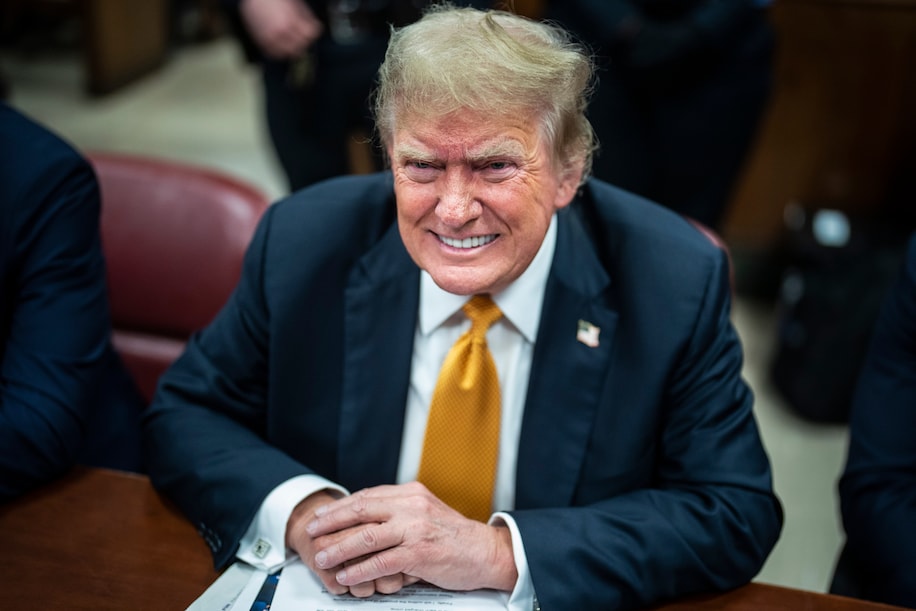
The release of the documents has reportedly led to real-world repercussions abroad.
Former British ambassador Peter Mandelson was detained following references in the files. Meanwhile, former Norwegian Prime Minister Thorbjørn Jagland has faced corruption charges tied to financial disclosures mentioned in the records.
In addition, U.S. Commerce Secretary Howard Lutnick acknowledged visiting Epstein’s private island in 2012, though he denied any involvement in criminal activity.
Legal analysts caution that being named in investigative documents does not automatically imply guilt. Nonetheless, the political and reputational consequences have been significant.
Transparency or Partial Disclosure?
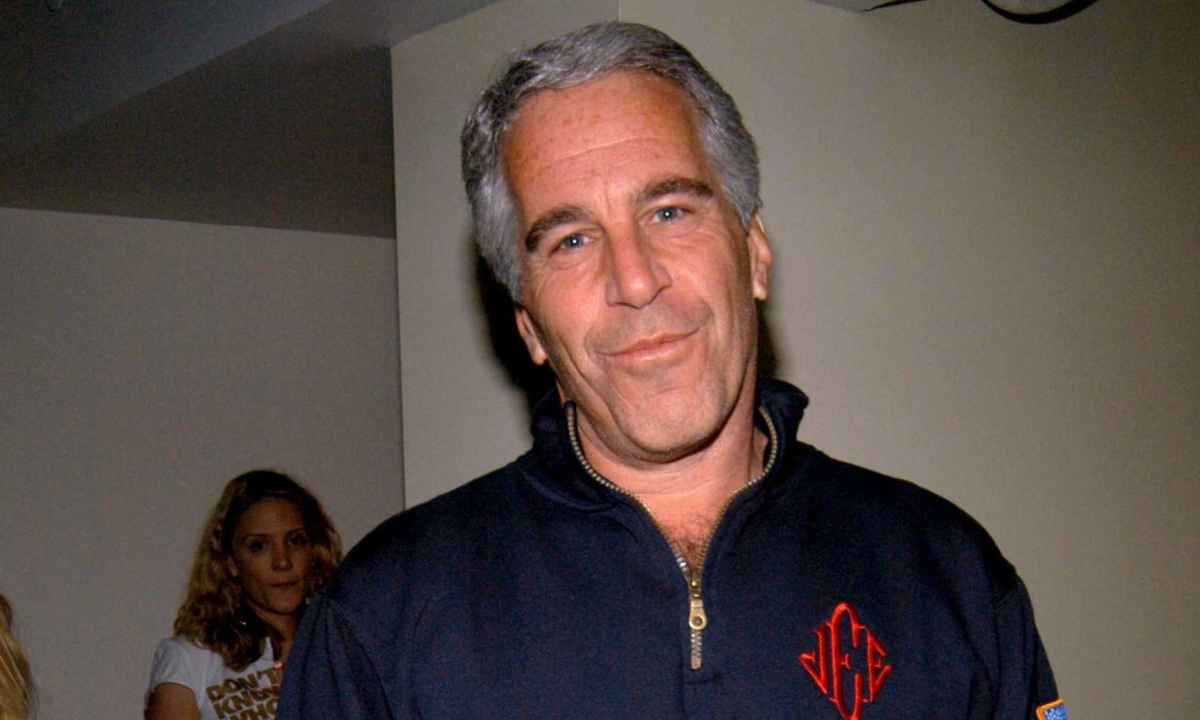
For Ann and Nancy Wilson, the debate extends beyond politics. It centers on public trust and the principle that transparency must be complete to be meaningful.
If millions of pages were released in the name of openness, critics ask, why were dozens allegedly withheld? Were they removed for legitimate legal reasons — such as protecting ongoing investigations or privacy concerns — or to shield powerful individuals from scrutiny?
Supporters argue the scale of the disclosure demonstrates sincerity. Critics counter that transparency loses credibility if key materials are selectively excluded.
The Unanswered Question
The publication of 3.5 million pages was meant to bring clarity to a case that has long fueled suspicion and controversy. Instead, it has reopened debate about accountability at the highest levels of power.
As investigations and political arguments continue, one question remains unresolved:
After millions of pages have been made public, is the full story truly known — or are crucial details still hidden from view?