The West has no mercy for the weak.
Open Range (2003) Review: A Powerful Western About Justice, Loyalty, and Redemption
Kevin Costner’s Open Range is a Western that proves the strongest stories are not always told through constant action, but through the values, relationships, and difficult choices that define a man. Starring Kevin Costner, Robert Duvall, Annette Bening, and Michael Gambon, the 2003 film combines breathtaking landscapes, carefully constructed tension, and a memorable final showdown to deliver a thoughtful tribute to the traditional Western genre.

A Story of Freedom in the American West
Set in the American frontier of 1882, Open Range follows Boss Spearman (Robert Duvall), an experienced cattleman who travels across vast stretches of open land with his trusted companion Charley Waite (Kevin Costner). Alongside them are Mose Harrison (Abraham Benrubi) and the younger Button (Diego Luna). Together, the men live a rugged, independent life, moving their cattle from one grazing area to another while trying to avoid unnecessary trouble.
Their peaceful existence changes when Mose enters a nearby town to purchase supplies and encounters hostility from the people working for Denton Baxter (Michael Gambon), a wealthy and ruthless rancher who believes he has the authority to control the surrounding territory. When Mose disappears, Boss and Charley discover that Baxter’s influence extends far beyond his property. The town’s sheriff and other local authorities appear unwilling or unable to challenge his power.
What begins as a dispute over grazing rights gradually becomes a struggle for dignity, freedom, and justice. Boss and Charley understand that confronting Baxter could cost them their lives. Nevertheless, abandoning their friend and accepting the rancher’s tyranny would mean surrendering the principles that have guided them.
The film builds its central conflict around a familiar Western question: What should an honorable man do when the law fails to protect the innocent? Rather than rushing toward an inevitable gunfight, director Kevin Costner allows the consequences of every decision to develop naturally, making the eventual confrontation feel both personal and unavoidable.

Kevin Costner’s Thoughtful Direction
As both director and leading actor, Kevin Costner demonstrates a clear affection for the traditional Western. Instead of relying on relentless action, he creates a patient, atmospheric film that allows viewers to experience the rhythms of frontier life.
The opening portions devote considerable attention to the everyday routines of cattle herding, the conversations between the cowboys, and the quiet beauty of the countryside. These moments might initially seem slow to viewers accustomed to modern action films, but they establish the characters’ way of life and explain why their freedom matters so deeply to them.
The open landscape is more than a beautiful background. Its vastness represents independence and possibility, while Baxter’s increasingly restrictive control symbolizes the dangers of allowing wealth and authority to determine who deserves freedom. The contrast between the open range and the confined, fearful atmosphere of the town reinforces the film’s central conflict without requiring lengthy explanations.
Costner also understands the importance of restraint. Many scenes rely on silence, subtle expressions, and understated dialogue rather than dramatic speeches. This approach gives the film a distinctive sense of authenticity and recalls the classic Westerns that inspired it.
Although the pacing occasionally feels leisurely, the deliberate storytelling ultimately strengthens the emotional impact of the final act.

Robert Duvall and Kevin Costner: The Heart of the Film
The greatest strength of Open Range lies in the relationship between Boss Spearman and Charley Waite. Their partnership is built on years of shared hardship, mutual respect, and an understanding that requires little explanation.
Robert Duvall delivers an outstanding performance as Boss, portraying him as a man whose authority comes from experience and moral conviction rather than intimidation. Boss dislikes unnecessary violence and believes that a person should be given every reasonable opportunity to do the right thing. His calm presence provides the film with a strong moral center.
Kevin Costner’s Charley is more complicated. Beneath his quiet exterior lies a violent past that he has spent years trying to escape. Although he has become a dependable cowboy under Boss’s guidance, the threat posed by Baxter forces him to confront the person he once was.
The contrast between these two men gives the story much of its emotional depth. Boss represents patience, restraint, and the possibility of living honorably despite a difficult world. Charley embodies the painful reality that sometimes a person must confront his darkest abilities to protect what matters.
Their performances are particularly effective because neither actor needs to explain every emotion. A pause, a glance, or a brief exchange can communicate years of friendship and unspoken understanding. Their chemistry makes the central partnership feel genuine rather than merely functional to the plot.
A Quiet Romance Amid the Violence
The film also introduces Sue Barlow (Annette Bening), a warm and independent woman who develops a connection with Charley during the cowboys’ stay in town.
Their relationship offers a softer dimension to an otherwise harsh story. Sue recognizes the kindness beneath Charley’s reserved personality, while Charley gradually discovers the possibility of building a life beyond the endless movement and isolation of the open range.
Bening brings intelligence and warmth to the role, creating a convincing presence without reducing Sue to a conventional romantic interest. Her interactions with Costner provide some of the film’s most intimate moments.
However, the romance occasionally feels secondary to the central conflict. The story allows limited time for their relationship to develop, and the looming violence leaves little room for a deeper exploration of their future together. Nevertheless, this subplot reinforces an important theme: even men shaped by hardship and violence may still hope for companionship, stability, and a place to call home.
The Final Gunfight: Tension, Realism, and Consequences
For a film that spends much of its running time emphasizing restraint, Open Range delivers a remarkably intense final confrontation.
When Boss and Charley finally stand against Baxter and his hired men, the violence feels frightening rather than glamorous. The gunfight is chaotic, dangerous, and difficult to predict. Characters do not behave like invincible action heroes; they must consider their positions, anticipate their opponents’ movements, and face the consequences of every shot.
Costner builds suspense by allowing the audience to understand the tactical thinking behind the confrontation. Charley’s experience with violence becomes crucial, and his knowledge of how frightened men react under fire gives him an advantage despite being outnumbered.
The sequence also demonstrates the film’s understanding of the Western hero. Courage is not simply the willingness to shoot first. It involves recognizing danger, protecting others, and accepting responsibility for the choices one makes.
Importantly, the film does not present violence as an uncomplicated solution. Even when the confrontation becomes necessary, it carries a heavy emotional cost. The showdown serves as the culmination of the characters’ moral struggles rather than an action spectacle inserted merely to entertain.
Cinematography, Atmosphere, and Music
Visually, Open Range is one of the film’s most appealing achievements. The sweeping prairies, distant mountains, rolling clouds, and expansive skies create a powerful sense of place. The natural environment gives the story both scale and intimacy, reminding viewers that these characters are living in a world where survival depends on their relationship with the land.
The cinematography also contrasts the openness of the countryside with the tension of the town. Wide shots emphasize freedom and isolation, while tighter compositions make confrontations feel increasingly claustrophobic.
Michael Kamen’s musical score complements this visual approach, supporting the film’s emotional moments without overwhelming them. The music contributes to the atmosphere of melancholy, anticipation, and hard-earned hope that runs throughout the story.
Together, these elements create a Western that feels grounded in its setting while remaining emotionally accessible to modern audiences.

Final Verdict: A Western Worth Revisiting
Open Range may not reinvent the Western genre, but it understands what makes the genre enduring. Beneath its story of cattlemen, corrupt authority, and frontier violence lies a thoughtful examination of loyalty, personal responsibility, and the difficult distinction between avoiding violence and refusing to tolerate injustice.
The film’s measured pacing and understated romance may not appeal to everyone. Viewers seeking constant action might find the early sections slow. Yet those willing to invest in its characters will discover a rewarding story that builds toward a genuinely gripping conclusion.
Robert Duvall’s commanding performance, Kevin Costner’s restrained direction, and the film’s beautiful landscapes make it a particularly satisfying experience for fans of traditional Westerns. More importantly, the relationship between Boss and Charley gives the film a human center that remains compelling long after the gunfire fades.
Ultimately, Open Range reminds us that true strength is not measured solely by how quickly a person reaches for a weapon. It is also measured by the principles he refuses to abandon, the friends he chooses to protect, and the courage required to stand against injustice when remaining silent would be easier.
Rating: 8.5/10
Recommended for: Fans of classic Westerns, character-driven dramas, frontier stories, and films exploring loyalty, justice, and redemption.
Open Range (2003) Review: A Powerful Western About Justice, Loyalty, and Redemption
Kevin Costner’s Open Range is a Western that proves the strongest stories are not always told through constant action, but through the values, relationships, and difficult choices that define a man. Starring Kevin Costner, Robert Duvall, Annette Bening, and Michael Gambon, the 2003 film combines breathtaking landscapes, carefully constructed tension, and a memorable final showdown to deliver a thoughtful tribute to the traditional Western genre.
A Story of Freedom in the American West
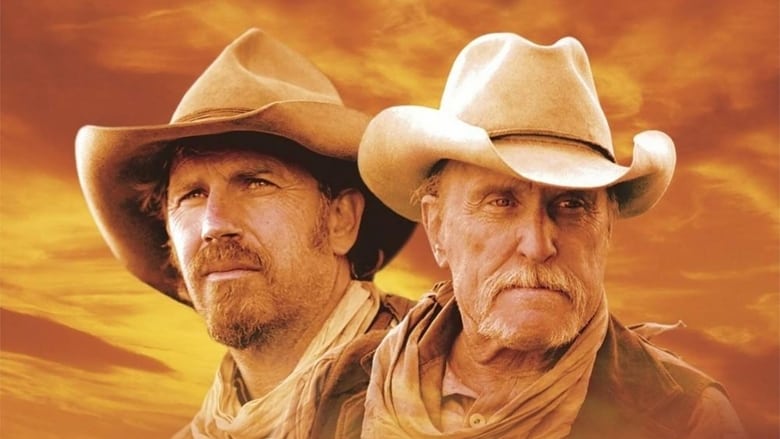
Set in the American frontier of 1882, Open Range follows Boss Spearman (Robert Duvall), an experienced cattleman who travels across vast stretches of open land with his trusted companion Charley Waite (Kevin Costner). Alongside them are Mose Harrison (Abraham Benrubi) and the younger Button (Diego Luna). Together, the men live a rugged, independent life, moving their cattle from one grazing area to another while trying to avoid unnecessary trouble.
Their peaceful existence changes when Mose enters a nearby town to purchase supplies and encounters hostility from the people working for Denton Baxter (Michael Gambon), a wealthy and ruthless rancher who believes he has the authority to control the surrounding territory. When Mose disappears, Boss and Charley discover that Baxter’s influence extends far beyond his property. The town’s sheriff and other local authorities appear unwilling or unable to challenge his power.
What begins as a dispute over grazing rights gradually becomes a struggle for dignity, freedom, and justice. Boss and Charley understand that confronting Baxter could cost them their lives. Nevertheless, abandoning their friend and accepting the rancher’s tyranny would mean surrendering the principles that have guided them.
The film builds its central conflict around a familiar Western question: What should an honorable man do when the law fails to protect the innocent? Rather than rushing toward an inevitable gunfight, director Kevin Costner allows the consequences of every decision to develop naturally, making the eventual confrontation feel both personal and unavoidable.
Kevin Costner’s Thoughtful Direction
As both director and leading actor, Kevin Costner demonstrates a clear affection for the traditional Western. Instead of relying on relentless action, he creates a patient, atmospheric film that allows viewers to experience the rhythms of frontier life.
The opening portions devote considerable attention to the everyday routines of cattle herding, the conversations between the cowboys, and the quiet beauty of the countryside. These moments might initially seem slow to viewers accustomed to modern action films, but they establish the characters’ way of life and explain why their freedom matters so deeply to them.
The open landscape is more than a beautiful background. Its vastness represents independence and possibility, while Baxter’s increasingly restrictive control symbolizes the dangers of allowing wealth and authority to determine who deserves freedom. The contrast between the open range and the confined, fearful atmosphere of the town reinforces the film’s central conflict without requiring lengthy explanations.
Costner also understands the importance of restraint. Many scenes rely on silence, subtle expressions, and understated dialogue rather than dramatic speeches. This approach gives the film a distinctive sense of authenticity and recalls the classic Westerns that inspired it.
Although the pacing occasionally feels leisurely, the deliberate storytelling ultimately strengthens the emotional impact of the final act.

Robert Duvall and Kevin Costner: The Heart of the Film
The greatest strength of Open Range lies in the relationship between Boss Spearman and Charley Waite. Their partnership is built on years of shared hardship, mutual respect, and an understanding that requires little explanation.
Robert Duvall delivers an outstanding performance as Boss, portraying him as a man whose authority comes from experience and moral conviction rather than intimidation. Boss dislikes unnecessary violence and believes that a person should be given every reasonable opportunity to do the right thing. His calm presence provides the film with a strong moral center.
Kevin Costner’s Charley is more complicated. Beneath his quiet exterior lies a violent past that he has spent years trying to escape. Although he has become a dependable cowboy under Boss’s guidance, the threat posed by Baxter forces him to confront the person he once was.
The contrast between these two men gives the story much of its emotional depth. Boss represents patience, restraint, and the possibility of living honorably despite a difficult world. Charley embodies the painful reality that sometimes a person must confront his darkest abilities to protect what matters.
Their performances are particularly effective because neither actor needs to explain every emotion. A pause, a glance, or a brief exchange can communicate years of friendship and unspoken understanding. Their chemistry makes the central partnership feel genuine rather than merely functional to the plot.

A Quiet Romance Amid the Violence
The film also introduces Sue Barlow (Annette Bening), a warm and independent woman who develops a connection with Charley during the cowboys’ stay in town.
Their relationship offers a softer dimension to an otherwise harsh story. Sue recognizes the kindness beneath Charley’s reserved personality, while Charley gradually discovers the possibility of building a life beyond the endless movement and isolation of the open range.
Bening brings intelligence and warmth to the role, creating a convincing presence without reducing Sue to a conventional romantic interest. Her interactions with Costner provide some of the film’s most intimate moments.
However, the romance occasionally feels secondary to the central conflict. The story allows limited time for their relationship to develop, and the looming violence leaves little room for a deeper exploration of their future together. Nevertheless, this subplot reinforces an important theme: even men shaped by hardship and violence may still hope for companionship, stability, and a place to call home.
The Final Gunfight: Tension, Realism, and Consequences
For a film that spends much of its running time emphasizing restraint, Open Range delivers a remarkably intense final confrontation.
When Boss and Charley finally stand against Baxter and his hired men, the violence feels frightening rather than glamorous. The gunfight is chaotic, dangerous, and difficult to predict. Characters do not behave like invincible action heroes; they must consider their positions, anticipate their opponents’ movements, and face the consequences of every shot.
Costner builds suspense by allowing the audience to understand the tactical thinking behind the confrontation. Charley’s experience with violence becomes crucial, and his knowledge of how frightened men react under fire gives him an advantage despite being outnumbered.
The sequence also demonstrates the film’s understanding of the Western hero. Courage is not simply the willingness to shoot first. It involves recognizing danger, protecting others, and accepting responsibility for the choices one makes.
Importantly, the film does not present violence as an uncomplicated solution. Even when the confrontation becomes necessary, it carries a heavy emotional cost. The showdown serves as the culmination of the characters’ moral struggles rather than an action spectacle inserted merely to entertain.
Cinematography, Atmosphere, and Music
Visually, Open Range is one of the film’s most appealing achievements. The sweeping prairies, distant mountains, rolling clouds, and expansive skies create a powerful sense of place. The natural environment gives the story both scale and intimacy, reminding viewers that these characters are living in a world where survival depends on their relationship with the land.
The cinematography also contrasts the openness of the countryside with the tension of the town. Wide shots emphasize freedom and isolation, while tighter compositions make confrontations feel increasingly claustrophobic.
Michael Kamen’s musical score complements this visual approach, supporting the film’s emotional moments without overwhelming them. The music contributes to the atmosphere of melancholy, anticipation, and hard-earned hope that runs throughout the story.
Together, these elements create a Western that feels grounded in its setting while remaining emotionally accessible to modern audiences.

Final Verdict: A Western Worth Revisiting
Open Range may not reinvent the Western genre, but it understands what makes the genre enduring. Beneath its story of cattlemen, corrupt authority, and frontier violence lies a thoughtful examination of loyalty, personal responsibility, and the difficult distinction between avoiding violence and refusing to tolerate injustice.
The film’s measured pacing and understated romance may not appeal to everyone. Viewers seeking constant action might find the early sections slow. Yet those willing to invest in its characters will discover a rewarding story that builds toward a genuinely gripping conclusion.
Robert Duvall’s commanding performance, Kevin Costner’s restrained direction, and the film’s beautiful landscapes make it a particularly satisfying experience for fans of traditional Westerns. More importantly, the relationship between Boss and Charley gives the film a human center that remains compelling long after the gunfire fades.
Ultimately, Open Range reminds us that true strength is not measured solely by how quickly a person reaches for a weapon. It is also measured by the principles he refuses to abandon, the friends he chooses to protect, and the courage required to stand against injustice when remaining silent would be easier.
Rating: 8.5/10
Recommended for: Fans of classic Westerns, character-driven dramas, frontier stories, and films exploring loyalty, justice, and redemption.
